How to Get Over the Fear of Getting Back Together After a Breakup

How to Get Over the Fear of Getting Back Together After a Breakup

Conquering the Fear of Reconciliation: Moving Past the Breakup

The sting of a breakup lingers, leaving a complex tapestry of emotions. While some yearn for closure and a clean slate, others find themselves inexplicably drawn back to their former partner. The desire for reconciliation is a powerful force, but often tangled with a crippling fear of repeating past mistakes or facing further heartbreak. This article will equip you with the tools to navigate these turbulent waters, empowering you to make conscious decisions about whether or not to rekindle a relationship without letting fear dictate your actions.

Understanding the Root of Your Fear

Before you even consider reaching out, delve deep into the source of your apprehension. Is your fear rooted in a specific past event, such as betrayal or unresolved conflict? Perhaps you're afraid of revisiting painful memories or facing the potential for another rejection. Identifying the core issue is the first step toward dismantling it. Consider journaling, engaging in self-reflection, or even speaking with a trusted friend or therapist to gain a clearer understanding of your anxieties.

Common Fears After a Breakup

Many common fears surround reconciliation. These include:

  • Fear of repeating the same mistakes that led to the breakup.
  • Fear of being hurt again, potentially more deeply this time.
  • Fear of investing time and energy only to experience another failed relationship.
  • Fear of losing your independence and personal growth achieved since the split.
  • Fear of judgment from friends and family.

Acknowledging these fears validates your emotional experience and allows you to address them directly instead of letting them control your decisions.

Building a Foundation for Healthy Reconciliation

If, after careful consideration, you decide to explore reconciliation, approach it strategically. Don't rush into a reunion fueled solely by emotion. Establish clear boundaries and expectations. Open and honest communication is paramount. Discuss the reasons for the initial breakup, acknowledging past mistakes and outlining clear plans for avoiding them in the future. This requires both partners to engage in active listening and demonstrate a genuine commitment to personal growth and change.

Essential Steps Before Reaching Out

Before initiating contact, take these crucial steps:

  • Reflect on your personal growth: Have you addressed the issues that contributed to the breakup? Have you worked on your own emotional well-being?
  • Analyze the relationship: Was the relationship fundamentally flawed, or were the problems surmountable? Is there a reasonable chance for positive change?
  • Gauge your ex's readiness: Consider their perspective. Have they shown any indication of wanting to reconnect? Are they also actively working on personal growth?
  • Establish realistic expectations: Understand that reconciliation doesn't magically erase the past. It requires consistent effort and commitment from both parties.

Moving Forward with Confidence

Ultimately, the decision to reconcile rests solely with you. Don't let fear paralyze you. Instead, use it as fuel to make informed choices. Remember that both pursuing reconciliation and choosing to move on are valid paths. By addressing your fears head-on, fostering open communication, and setting healthy boundaries, you empower yourself to navigate this challenging period with confidence, paving the way for a healthier and more fulfilling future, whether that includes your former partner or not.


Share:

How to Let Go of Someone Who Doesn't Appreciate You

How to Let Go of Someone Who Doesn't Appreciate You

Letting Go: When Someone Doesn't Appreciate You

Okay, let's talk about something tough but super important: letting go of someone who doesn't appreciate you. It's a universal struggle, and trust me, you're not alone in feeling this way. Whether it's a romantic partner, a friend, or even a family member, the pain of unrequited appreciation stings. This isn't about blame; it's about recognizing your worth and making choices that honor it. This guide is designed to help you navigate this difficult process, step by step.

Understanding the Root of the Problem

Before we dive into the "how to," let's spend a little time understanding *why* you're feeling this way. It's easy to get caught up in the emotions, but taking a step back to examine the situation objectively can be incredibly helpful.

Recognizing the Signs of Unappreciation

First, let's make sure we're on the same page. What does "not appreciating you" actually look like? It's different for everyone, but some common signs include:

  • Consistent disregard for your feelings or needs.
  • Taking you for granted â€" expecting you to always be there without reciprocation.
  • Minimizing your accomplishments or efforts.
  • Lack of genuine interest in your life.
  • Frequent criticism or negativity without constructive feedback.
  • Ignoring your boundaries.
  • A general lack of effort in maintaining the relationship.

If you're ticking off several of these boxes, it's a strong indication that the relationship dynamic isn't healthy for you.

Identifying Your Role (and Letting Go of Guilt)

It's crucial to examine your own role, too. Sometimes, we might inadvertently contribute to a dynamic where we're not appreciated. Are you a people-pleaser? Do you prioritize others' needs above your own to a fault? This isn't about self-blame; it's about self-awareness. Understanding your patterns can help you avoid repeating them in future relationships.

Let go of the guilt. You are not responsible for someone else's inability to appreciate you. Their actions are a reflection of *them*, not a judgment of *you*.

The Process of Letting Go

Letting go is rarely a quick fix. It's a process, and it's okay to take your time. Here’s a roadmap to guide you:

Acknowledge Your Feelings

Don't bottle things up! Allow yourself to feel the sadness, anger, hurt, or whatever emotions arise. Journaling, talking to a trusted friend, or even seeking professional help can be incredibly beneficial during this phase. Suppressing your feelings will only prolong the process.

Set Boundaries (and Stick to Them!)

This is crucial. Start by setting clear boundaries about what you will and will not tolerate. If the person consistently disregards your feelings, limit your contact. This might mean less frequent conversations, declining invitations, or even ending the relationship entirely. The key is consistency. Don't let them push your boundaries â€" hold firm!

Focus on Self-Care

This is not a time for self-neglect. Prioritize activities that nourish your mind, body, and soul. This might include exercise, spending time in nature, pursuing hobbies, or engaging in activities that bring you joy. Self-care isn't selfish; it's essential for your healing.

Reframe Your Narrative

Challenge negative self-talk. If you find yourself thinking, "I'm not good enough," or "It's my fault," actively challenge those thoughts. Remind yourself of your strengths, your accomplishments, and your value. Replace negative narratives with positive affirmations. You are worthy of love and appreciation.

Forgive (Yourself and Them)

Forgiveness is not about condoning their behavior; it's about releasing the anger and resentment that are holding you back. Forgiving yourself for any perceived mistakes is just as important. Holding onto anger will only keep you tied to the past.

Embrace the Future

Letting go opens up space for new opportunities and relationships. Focus on your future goals and aspirations. Imagine a life where you're surrounded by people who truly appreciate and value you. That life is possible.

Seeking Support

Remember, you don't have to go through this alone. Talking to someone you trust can make a huge difference. This could be a friend, family member, therapist, or support group.

Commonly Asked Questions

Here are some questions I often get asked about letting go of someone who doesn't appreciate you:

Q: How long does it take to let go?

A: There's no magic timeline. It varies from person to person and depends on the depth of the relationship and the individual's coping mechanisms. Be patient with yourself and allow yourself the time you need to heal.

Q: What if I still care about them?

A: Caring about someone doesn't mean you have to stay in a relationship that's unhealthy for you. You can care for someone from a distance while still prioritizing your own well-being.

Q: Should I try to talk to them about my feelings one last time?

A: This is a personal decision. Sometimes, a final conversation can provide closure. However, if you've already tried and it hasn't worked, it might be best to focus on your own healing and avoid further potential hurt.

Q: What if they try to contact me again?

A: Be prepared for this possibility. It's crucial to stick to your boundaries. Don't feel obligated to respond or re-engage if it's not healthy for you.

Q: How do I know when I've truly let go?

A: You'll know when you feel a sense of peace and closure. The thought of them won't trigger overwhelming negative emotions. You'll feel confident and empowered to move forward with your life.

Remember, letting go is an act of self-love. It’s about recognizing your worth and creating a life filled with people who genuinely appreciate you. It's a journey, not a destination, so be kind to yourself along the way.

Share:

Love Lost, Lessons Learned: Growing Through Heartbreak

Love Lost, Lessons Learned: Growing Through Heartbreak

Love Lost, Lessons Learned: Growing Through Heartbreak

Heartbreak. The word itself evokes a potent cocktail of emotions: sadness, anger, confusion, and a profound sense of loss. It’s an experience nearly universal, yet each encounter feels intensely personal, a unique brand of suffering tailored to the specifics of the relationship and the individual experiencing it. While the immediate aftermath can feel overwhelmingly bleak, the truth is that heartbreak, as painful as it is, offers a powerful opportunity for growth and self-discovery. It forces us to confront our vulnerabilities, reassess our priorities, and ultimately, emerge stronger and wiser on the other side. This journey, while arduous, is essential to our personal evolution.

Navigating the Initial Aftermath

The first few weeks, or even months, following a significant loss can feel like navigating a dense fog. Emotions surge unpredictably; one moment you might be overcome with grief, the next consumed by anger or a crippling sense of loneliness. Allow yourself to feel these emotions fully. Don't try to suppress them or rush the healing process. Journaling can be a powerful tool; pouring your feelings onto paper allows you to externalize them, gaining a clearer perspective and reducing their intensity. Lean on your support system â€" friends, family, or a therapist â€" for comfort and understanding. They can provide a much-needed sense of grounding during this turbulent period. Remember, seeking professional help is a sign of strength, not weakness, particularly if you find yourself struggling to cope independently.

Practical Steps for Self-Care

Beyond emotional support, prioritize self-care. This isn't about indulging in fleeting pleasures; it's about nourishing your mind, body, and spirit. Engage in activities that bring you joy and a sense of accomplishment, however small. This could involve anything from taking long walks in nature, to rekindling old hobbies, to starting a new fitness regime. Prioritize healthy eating habits and ensure you're getting enough sleep. These seemingly simple acts of self-care are crucial for bolstering your resilience and promoting healing.

Uncovering Hidden Strengths

While heartbreak undoubtedly hurts, it also reveals hidden strengths you may not have known you possessed. The ability to cope with intense emotional pain, to navigate uncertainty, and to rebuild yourself after a significant loss demonstrates incredible resilience. You'll learn to rely on your inner resources, discovering a wellspring of strength you never knew existed. This newfound self-reliance is a powerful asset that will serve you well in all aspects of your life, shaping your future relationships and personal growth.

Lessons Learned: A Path to Personal Growth

Heartbreak offers invaluable lessons. Reflect on the relationship, not to dwell on the past but to learn from it. Consider what you learned about yourself, your needs, and your relationship patterns. Ask yourself:

  • What contributed to the relationship's demise?
  • What are my relationship deal-breakers?
  • What are my personal needs and boundaries?
  • How can I build healthier relationships in the future?

Honest self-reflection, guided by these questions, helps you cultivate a deeper understanding of yourself and what you seek in a partner. This self-awareness is crucial for building stronger, more fulfilling relationships in the future.

Embracing the Future: A New Beginning

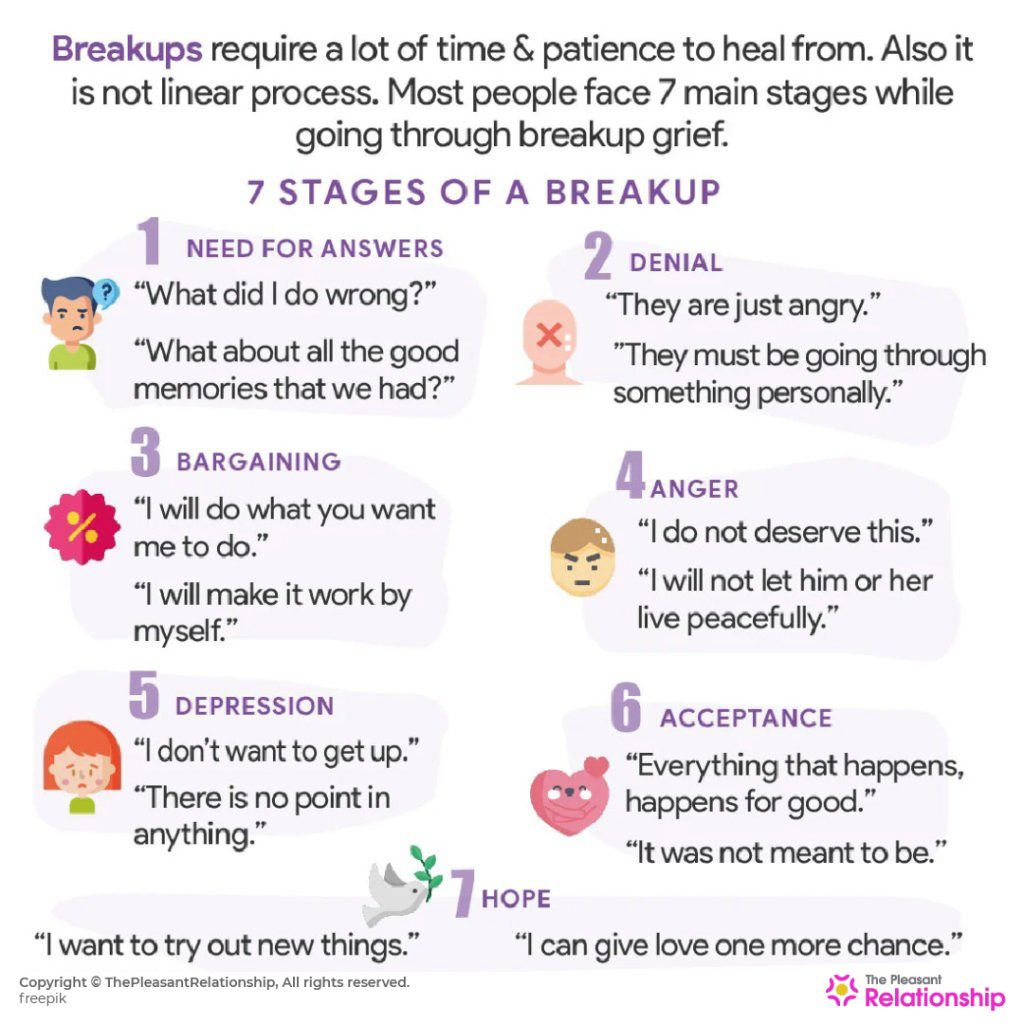
The journey through heartbreak isn't linear; it's a process of ups and downs. There will be moments of intense sadness, but also moments of clarity, growth, and newfound self-acceptance. Remember that healing takes time, and be patient with yourself. Embrace the opportunity for self-discovery and personal evolution. The person you become after heartbreak is often stronger, wiser, and more compassionate than before. This experience, while painful, is a powerful catalyst for growth, leading you toward a brighter, more authentic future.

Share:

Should I Get Back with My Ex? How to Heal First Before Deciding

Should I Get Back with My Ex? How to Heal First Before Deciding

Should I Get Back with My Ex? How to Heal First Before Deciding

The question of whether to rekindle a past relationship is a deeply personal one, fraught with both excitement and trepidation. The allure of familiarity can be powerful, but rushing back into a relationship without proper self-reflection can lead to repeating past mistakes. Before you even consider contacting your ex, prioritize healing. This isn't just about feeling better; it's about gaining clarity and making a conscious, informed decision, not one driven by loneliness or nostalgia.

Understanding Your Reasons for Considering Reconciliation

Before you dive into the emotional whirlpool of a potential reunion, take a step back and honestly assess your motivations. Are you truly missing your ex, or are you missing the feeling of being in a relationship? Are you lonely, and your ex represents a readily available solution? Identifying the root of your desire is crucial. Consider journaling your feelings; writing can help you untangle complex emotions and reveal underlying patterns of behavior.

Common Traps to Avoid

Many people fall into common traps when considering getting back together. They may focus on the "good old days," romanticizing the past and ignoring the reasons the relationship ended in the first place. Others may idealize their ex, overlooking flaws and past hurts. Recognize these tendencies and actively challenge them.

  • Avoid rose-tinted glasses: Remember the negative aspects of the relationship, not just the positive ones.
  • Resist pressure: Don't let external pressure from friends or family influence your decision.
  • Be realistic: Acknowledge that the relationship will likely be different this time around; past problems won't magically disappear.

Prioritizing Self-Healing and Growth

Healing after a breakup involves active self-care and introspection. This is not a passive process; it requires conscious effort and commitment. Engage in activities that nourish your mind, body, and soul. This might include therapy, spending time with loved ones, pursuing hobbies, or practicing mindfulness and self-compassion.

Essential Steps in the Healing Process

Healing is a journey, not a destination. It's a process of understanding yourself better, processing your emotions, and moving forward. Consider these key steps:

  • Allow yourself to grieve: Acknowledge the loss and allow yourself to feel the sadness, anger, or confusion.
  • Practice self-reflection: Reflect on your role in the relationship's demise. What could you have done differently? What did you learn?
  • Set healthy boundaries: Create emotional distance from your ex to facilitate healing and prevent relapse into unhealthy patterns.
  • Focus on self-improvement: Use this time to work on personal goals, develop new skills, and nurture your self-esteem.

Making an Informed Decision

Once you've dedicated time to healing and self-reflection, you'll be in a better position to decide if reconciliation is right for you. Consider if the reasons for the breakup have been genuinely addressed. Has your ex demonstrated meaningful changes? Is there a shared commitment to a healthier, more sustainable relationship? If the answer to these questions is a resounding "yes," and your decision is fueled by a genuine desire for a better future together, then you can cautiously consider moving forward. However, if doubts linger, or if the underlying issues remain unresolved, it’s crucial to prioritize your well-being and move on.

Remember, getting back together with an ex isn't a guaranteed path to happiness. Prioritizing your own healing and making a well-informed decision based on self-awareness is the best way to ensure your future happiness, regardless of the path you choose.

Share:

Key Signs It’s Possible to Get Back with an Ex

Key Signs It’s Possible to Get Back with an Ex

Key Signs It’s Possible to Get Back with an Ex

Reconciliation with a former partner is a complex undertaking, fraught with emotional challenges and requiring careful consideration. While no guarantee exists for a successful reunion, certain indicators can suggest a higher probability of reconciliation. This analysis delves into those key signs, examining the circumstances that might favor a renewed relationship and highlighting potential pitfalls to avoid. Understanding these signs allows individuals to approach the possibility of reconciliation with informed decision-making and realistic expectations.

Analyzing the Circumstances of the Breakup

The nature of the separation plays a crucial role in determining the feasibility of reconciliation. A thorough self-assessment, coupled with an objective evaluation of the relationship's history, is paramount.

Breakup Initiator and Reason

Who initiated the breakup and why? This is a foundational question. If the breakup was mutual, stemming from shared challenges rather than irreconcilable differences, the potential for reconciliation is generally higher. Conversely, if one partner initiated the separation due to significant grievances, infidelity, or fundamental incompatibilities, the path to reconciliation becomes considerably more arduous. Understanding the root cause is critical; superficial reconciliation without addressing the underlying issues is destined to fail.

Duration and Intensity of the Relationship

The length and intensity of the previous relationship are significant factors. Long-term relationships often possess a deeper foundation of shared history, memories, and mutual understanding, potentially making reconciliation more achievable. However, this is not always the case; deeply ingrained negative patterns can persist regardless of relationship length. Conversely, shorter relationships, while potentially easier to sever, may lack the depth of connection necessary to overcome the obstacles to reconciliation.

Time Since the Breakup

The passage of time since the separation influences the likelihood of success. Immediate attempts at reconciliation can be counterproductive, often hindering the healing process required for both partners. Allowing sufficient time for reflection, self-improvement, and emotional processing can foster a more mature and sustainable reunion. However, excessive time elapsed can lead to the development of new relationships and a diminished desire for reconciliation.

Observing Post-Breakup Behavior and Communication

Post-separation interactions provide valuable insights into the possibility of reconciliation. Careful observation of both one's own behavior and that of the former partner is essential.

Maintaining Contact and Communication

The maintenance of respectful and friendly contact suggests a lingering connection. This does not necessarily imply a desire for reconciliation, but it opens the door to future discussions. Regular, amicable communication, even if it's limited to friendly exchanges or occasional check-ins, can indicate a willingness to maintain a positive relationship dynamic, a crucial precursor to potential reconciliation.

Expressions of Regret or Longing

Open expressions of regret, longing, or a desire to reconnect are strong indicators of potential reconciliation. These sentiments, expressed either directly or indirectly, signal a willingness to work towards repairing the relationship. However, it's crucial to distinguish genuine regret from manipulation or superficial apologies. Authentic remorse should be accompanied by concrete actions demonstrating a commitment to change.

Mutual Friends and Social Circles

The role of mutual friends and social circles is often overlooked. Continued interaction through mutual friends, even without direct contact between the former partners, can provide opportunities for indirect communication and a continued sense of connection. Conversely, a complete severing of ties through mutual friends can suggest a lack of interest in reconciliation.

Identifying Personal Growth and Readiness for Reconciliation

Successful reconciliation hinges not only on external factors but also on personal growth and readiness. Self-reflection and a willingness to address past mistakes are indispensable.

Addressing Underlying Issues

Honest introspection and a willingness to address the underlying issues that led to the breakup are critical. This requires taking responsibility for one's own actions and behaviors, acknowledging past mistakes, and demonstrating a sincere commitment to change. Without this self-awareness and willingness to address the root causes of the conflict, reconciliation is unlikely to be sustainable.

Personal Growth and Self-Improvement

Demonstrating personal growth and self-improvement since the breakup significantly enhances the chances of reconciliation. This might involve therapy, pursuing personal goals, developing new hobbies, or improving communication skills. These positive changes showcase a commitment to personal well-being and suggest a maturity that can contribute to a healthier, more fulfilling relationship.

Realistic Expectations and Forgiveness

Entering into reconciliation with realistic expectations and a willingness to forgive is paramount. The past cannot be erased, and it's crucial to acknowledge that a renewed relationship will inevitably be different from the previous one. Forgiveness, both of oneself and the former partner, is essential for moving forward and building a stronger foundation. Unrealistic expectations and a refusal to forgive can sabotage even the most promising attempts at reconciliation.

Cautions and Considerations

While the signs above suggest the possibility of reconciliation, it's crucial to proceed with caution and awareness of potential pitfalls. Rushing into a reconciliation without proper self-reflection and addressing underlying issues can lead to further heartache and disappointment.

  • Avoid impulsive decisions: Allow time for healing and reflection before initiating contact or pursuing reconciliation.
  • Seek professional guidance: Consider couples counseling or individual therapy to address underlying issues and develop healthier communication patterns.
  • Respect boundaries: Respect your former partner's need for space and time, and avoid pressuring them into a reconciliation they are not ready for.
  • Prioritize your well-being: Remember that your happiness and well-being should be paramount, regardless of the outcome of any reconciliation attempt.
  • Ultimately, the decision to pursue reconciliation should be a conscious and well-informed one. By carefully analyzing the circumstances of the breakup, observing post-separation behavior, and fostering personal growth, individuals can assess the feasibility of a renewed relationship with a greater degree of clarity and realistic expectations.

    Share:

    How to Set Goals Together for Relationship Growth

    How to Set Goals Together for Relationship Growth

    Cultivating Mutual Growth: A Structured Approach to Setting Shared Relationship Goals

    The foundation of any enduring and fulfilling relationship rests upon a shared vision of the future and a commitment to mutual growth. While individual aspirations are crucial, collaboratively setting and pursuing relationship goals significantly enhances connection, intimacy, and overall satisfaction. This structured approach not only strengthens the bond between partners but also provides a roadmap for navigating challenges and celebrating successes together. This article outlines a comprehensive methodology for setting shared relationship goals, promoting effective communication, and ensuring sustained progress towards a mutually desired future.

    Phase 1: Fostering Open and Honest Communication

    Before embarking on goal setting, establishing a foundation of open and honest communication is paramount. This involves creating a safe and comfortable space where both partners feel empowered to express their thoughts, feelings, and aspirations without fear of judgment or criticism. This phase focuses on building emotional intimacy and trust, crucial elements for successful collaborative goal setting.

    Creating a Safe and Supportive Environment

    The environment in which you engage in this process is crucial. Choose a time and place free from distractions and interruptions. Consider a relaxing setting, perhaps with soft lighting and comfortable seating. Ensure that both partners feel equally valued and heard. Acknowledge that vulnerability is essential for genuine connection, and actively work to create an atmosphere of mutual respect and understanding.

    Active Listening and Empathetic Communication

    Active listening goes beyond simply hearing words; it involves truly understanding your partner's perspective. Pay close attention to both verbal and nonverbal cues, reflecting back what you hear to ensure accurate comprehension. Employ empathetic communication by trying to see the situation from your partner's point of view, acknowledging their feelings, and validating their experiences. Avoid interrupting or dismissing their contributions.

    Identifying Individual Needs and Aspirations

    Prior to discussing shared goals, it's essential to understand each partner's individual needs and aspirations within the relationship. This involves introspection and honest self-reflection. Consider journaling, meditation, or simply quiet contemplation to identify your personal goals and desires. Openly sharing these personal aspirations lays the groundwork for a collaborative and mutually beneficial process.

    Phase 2: Collaborative Goal Setting and Prioritization

    Once a foundation of open communication has been established, the collaborative goal-setting process can begin. This involves brainstorming potential goals, prioritizing them based on mutual importance, and establishing clear, measurable, achievable, relevant, and time-bound (SMART) objectives.

    Brainstorming Potential Goals

    Engage in a brainstorming session, encouraging free-flowing ideas from both partners. Avoid immediate judgment or criticism; focus on generating a comprehensive list of potential goals. Categorize these goals into various aspects of the relationship, such as: emotional intimacy, communication skills, shared activities, financial planning, personal growth, and long-term aspirations.

    Prioritizing Goals Based on Mutual Importance

    After brainstorming, prioritize the generated goals based on their mutual importance. This may involve assigning weighted scores or utilizing a ranking system. Openly discuss the rationale behind prioritizing certain goals over others, ensuring transparency and alignment in your shared vision. It's crucial to prioritize goals that benefit both partners and contribute to the overall well-being of the relationship.

    Defining SMART Objectives

    Once prioritized, refine the selected goals into SMART objectives. This ensures clarity, measurability, and accountability. For example, instead of a vague goal like "improve communication," a SMART objective might be: "Engage in active listening and reflective statements during at least three conversations per week for the next month." This level of specificity makes progress measurable and provides a clear path towards achievement.

    Phase 3: Implementation and Ongoing Evaluation

    Successful goal attainment requires a structured implementation plan and a mechanism for ongoing evaluation and adjustment. This phase emphasizes consistent effort, open communication, and a willingness to adapt as needed.

    Developing an Action Plan

    Create a detailed action plan outlining specific steps for achieving each goal. Assign responsibilities, set deadlines, and identify potential obstacles. Consider using a shared calendar or task management tool to track progress and maintain accountability. Regularly review the action plan, making adjustments as necessary to align with changing circumstances or priorities.

    Regular Check-ins and Communication

    Schedule regular check-in meetings to discuss progress towards goals. These meetings should not only focus on achievements but also address challenges and potential roadblocks. Open and honest communication is essential during this phase, allowing for adjustments and course correction as needed. Celebrate milestones along the way to maintain motivation and reinforce commitment.

    Adapting and Adjusting Goals

    Relationships are dynamic, and circumstances change. Be prepared to adapt and adjust goals as needed. Life events, personal growth, and evolving needs may require adjustments to the original plan. Flexibility and openness to change are essential for sustaining progress and maintaining a thriving relationship.

    Phase 4: Celebrating Successes and Addressing Challenges

    The final phase focuses on acknowledging accomplishments and navigating challenges constructively. This involves celebrating successes, learning from setbacks, and reinforcing the commitment to mutual growth.

    Celebrating Achievements

    Celebrate milestones and accomplishments along the way. Acknowledge the effort and commitment invested in achieving shared goals. Express appreciation and gratitude for your partner's contributions. These celebrations reinforce positive reinforcement and encourage continued effort.

    Addressing Challenges and Setbacks

    Inevitably, challenges and setbacks will arise. Addressing these constructively is vital for maintaining momentum. Communicate openly about difficulties, avoid blaming or criticism, and work collaboratively to find solutions. Seek professional guidance if needed, recognizing that external support can be invaluable in navigating relationship complexities.

    Sustaining Long-Term Growth

    The process of setting and achieving shared relationship goals is not a one-time event but rather an ongoing journey of mutual growth and development. By consistently engaging in open communication, regularly evaluating progress, and adapting to changing circumstances, partners can cultivate a strong, resilient, and fulfilling relationship that endures over time. Remember that the commitment to growth is as important as the goals themselves; it's the ongoing effort that fosters a deeper connection and lasting love.

    In conclusion, setting shared relationship goals is a powerful tool for enhancing intimacy, fostering understanding, and navigating the complexities of a committed partnership. By following this structured approach, couples can collaboratively create a future built on mutual respect, support, and a shared vision of a thriving and fulfilling life together.

    Share:

    The Importance of Forgiveness: Letting Go of Past Hurts

    The Importance of Forgiveness: Letting Go of Past Hurts

    The Importance of Forgiveness: Letting Go of Past Hurts

    Holding onto anger, resentment, and hurt is like carrying a heavy backpack filled with rocks. Every step becomes more difficult, and the burden weighs you down, preventing you from moving forward and enjoying life to its fullest. Forgiveness, while often perceived as a gift to the offender, is ultimately a powerful act of self-care. It’s about releasing the grip that past hurts have on your present well-being and reclaiming your emotional freedom. This article explores the profound importance of forgiveness and provides practical steps to help you embark on this transformative journey.

    The Psychological and Physical Benefits of Forgiveness

    The benefits of forgiveness extend far beyond simply feeling better emotionally. Scientific research consistently demonstrates a strong correlation between forgiveness and improved mental and physical health. Studies show that individuals who practice forgiveness experience lower levels of stress, anxiety, and depression. They tend to have healthier blood pressure and improved cardiovascular health. By releasing the negativity associated with unforgiveness, you allow your body to heal both mentally and physically. The act of letting go reduces the production of stress hormones like cortisol, which have detrimental effects on various bodily systems. This allows your immune system to function more efficiently and improves overall well-being. Imagine the weight lifted â€" not just metaphorically but also literally, as your body releases the physical tension associated with holding onto grudges.

    Breaking the Cycle of Negativity

    Unforgiveness creates a vicious cycle. The constant replaying of hurtful events in your mind fuels anger and resentment, preventing you from focusing on the present and future. This preoccupation with the past prevents you from forming healthy relationships and achieving personal growth. Forgiveness, however, interrupts this destructive pattern. It doesn't mean condoning the actions of others, but rather choosing to release the emotional power they hold over you. It’s about reclaiming your narrative and regaining control of your emotional state. By actively choosing to forgive, you disrupt the cycle of negativity and pave the way for positive change.

    Practical Steps Towards Forgiveness

    Forgiving isn't a passive process; it requires conscious effort and commitment. It's not about forgetting what happened, but rather about changing your emotional response to it. It's a journey, not a destination. Here are some practical steps you can take:

    • Acknowledge your pain: Don't suppress your emotions. Allow yourself to feel the hurt, anger, and sadness. Journaling can be a helpful tool in this process.
    • Understand the other person’s perspective (if possible): Try to understand the context of their actions, although it does not justify them. Empathy, while challenging, can aid in the process.
    • Practice self-compassion: Recognize that you are not responsible for the actions of others. Forgive yourself for any perceived failings in the situation.
    • Focus on the present and future: Instead of dwelling on the past, concentrate on creating a brighter future. Set goals and pursue your passions.
    • Consider professional help: If you're struggling with forgiveness, seeking guidance from a therapist or counselor can be incredibly beneficial. They can provide support and tools to navigate this challenging process.

    Forgiveness as a Path to Self-Discovery

    The journey of forgiveness is deeply personal and transformative. It's not always easy, and it may take time, but the rewards are immeasurable. As you release the burden of past hurts, you create space for personal growth, emotional healing, and stronger, healthier relationships. You discover a newfound sense of inner peace and resilience. Forgiveness is not about condoning harmful behavior, but about liberating yourself from its grip. It is an act of self-love, a powerful affirmation of your own worth and a crucial step towards building a happier, more fulfilling life.

    Share:

    How to Deal with a Breakup and Move On with Confidence

    How to Deal with a Breakup and Move On with Confidence

    Heartbreak Hotel, Check-Out Time: How to Deal with a Breakup and Move On with Confidence

    Okay, so your heart's been stomped on. Been there, done that, got the oversized ice cream tub to prove it. Breakups suck, plain and simple. There's no sugarcoating it. But guess what? You're going to be okay. You're stronger than you think, and this experience, as painful as it is right now, is actually a massive opportunity for growth. This isn't about forgetting them; it's about remembering yourself and building a life you love, even (and maybe especially) without them.

    The Immediate Aftermath: Navigating the Emotional Rollercoaster

    First things first: allow yourself to feel. Don't bottle it up. Crying? Go ahead, cry your eyes out. Screaming into a pillow? Do it! Anger, sadness, confusion â€" it's all valid. Suppressing your emotions will only prolong the healing process. Think of it like a wound; you need to let it bleed a little before it can start to heal.

    Give Yourself Permission to Grieve

    This isn't a competition. There's no timeline for heartbreak. Some people bounce back quickly, others take months, even years. Don't compare your healing journey to anyone else's. Be kind to yourself. If you need a week to wallow (in a healthy way, of course â€" we'll get to that), take it. If you need longer, that's okay too.

    Lean on Your Support System

    This is crucial. Talk to your friends and family. Let them be there for you. Don't isolate yourself. Sharing your feelings with people who care about you can make a world of difference. Even if they don't fully understand, their presence and empathy are invaluable. If you don't feel comfortable talking to loved ones, consider reaching out to a therapist or counselor. They can provide a safe and supportive space to process your emotions.

    Taking Back Control: Practical Steps to Healing

    Once you've allowed yourself to feel the emotions, it's time to start taking control of your life again. This isn't about pretending everything is fine; it's about actively choosing healthier habits and focusing on your well-being.

    Declutter Your Space (and Your Mind)

    Get rid of anything that reminds you of your ex. Photos, gifts, even that silly stuffed animal they gave you. Packing it away, donating it, or even just putting it out of sight can create a sense of closure and help you move forward. This also applies to your digital life â€" unfollow them on social media, delete their number if you need to.

    Rediscover Yourself

    Relationships often involve compromise and blending of identities. Now is the time to reconnect with your own passions, hobbies, and interests. What did you love to do before the relationship? What did you put on the back burner? Dust off those old hobbies, or explore something new entirely. This is about self-discovery and re-establishing your sense of self outside of the relationship.

    Prioritize Self-Care

    This is not a luxury; it's a necessity. Engage in activities that nourish your mind, body, and soul. This could include:

    • Exercise: It releases endorphins, which have mood-boosting effects.
    • Healthy eating: Fuel your body with nutritious food.
    • Sleep: Aim for 7-8 hours of quality sleep each night.
    • Mindfulness and meditation: These practices can help reduce stress and anxiety.
    • Spending time in nature: Getting some fresh air and sunshine can do wonders for your mental health.

    Moving Forward with Confidence: Building a Better Future

    Healing from a breakup is a process, not a destination. There will be good days and bad days. Be patient with yourself. Celebrate your small victories and acknowledge your progress. Remember, you're not alone in this.

    Learn from the Experience

    Reflect on the relationship. What did you learn about yourself? What are your relationship needs and boundaries? What kind of partner are you looking for in the future? This self-reflection is key to building stronger, healthier relationships down the road.

    Set Realistic Expectations

    Don't expect to meet "the one" immediately after a breakup. Focus on yourself, your growth, and your happiness. Enjoy your independence. Date casually if you feel ready, but don't put pressure on yourself to find a new partner right away.

    Embrace the Future

    The future is bright, even if it doesn't feel like it right now. This breakup doesn't define you. It's a chapter in your life, not the whole story. Focus on creating the life you want, filled with joy, purpose, and meaningful connections. You've got this!

    Commonly Asked Questions

    Q: How long does it take to get over a breakup?

    A: There's no magic number. It depends on the length and intensity of the relationship, your personality, and your support system. Be patient with yourself and allow yourself the time you need.

    Q: Should I contact my ex?

    A: Generally, no. Contacting your ex can prolong the healing process and prevent you from moving on. Focus on yourself and building a life independent of them.

    Q: How do I stop thinking about my ex?

    A: It takes time. Keep yourself busy, engage in activities you enjoy, and lean on your support system. The thoughts will lessen over time.

    Q: Is it normal to feel angry after a breakup?

    A: Absolutely. Anger is a normal part of the grieving process. Allow yourself to feel it, but find healthy ways to express it, like talking to a friend or exercising.

    Q: When should I start dating again?

    A: When you feel ready. Don't rush into a new relationship before you've healed from the previous one. Focus on yourself first.

    Remember, you are worthy of love and happiness. This breakup is a setback, not a defeat. You'll get through this, and you'll come out stronger on the other side. Believe in yourself â€" you've got this!

    Share:

    How to Approach Getting Back Together After No Contact

    How to Approach Getting Back Together After No Contact

    Reconciliation After a Period of No Contact: A Strategic Approach

    The decision to implement a period of no contact in a relationship is often a difficult one, undertaken with the hope of achieving clarity, self-reflection, or prompting a desired change in the other party. Once the period of silence concludes, the question of re-engagement becomes paramount. Approaching this delicate situation requires careful consideration, strategic planning, and a commitment to self-awareness. This article offers a formal guide to navigating the complexities of reconciliation after a period of no contact.

    Assessing the Readiness for Reconciliation

    Before initiating any contact, thorough self-reflection is crucial. The period of no contact should have served as a catalyst for personal growth and a reassessment of the relationship's dynamics. Simply missing the other person is insufficient justification for re-engagement. A genuine desire for reconciliation must be grounded in a sincere willingness to address the underlying issues that led to the separation.

    Evaluating Personal Growth and Change

    Have you identified the behaviors or patterns that contributed to the relationship's difficulties? Have you actively worked to modify these behaviors? Honest self-assessment is paramount. If the issues remain unresolved within yourself, attempting reconciliation will likely be counterproductive. Consider seeking professional guidance, such as therapy or counseling, to facilitate this self-reflection process. This will help ensure that you are approaching reconciliation from a position of strength and self-awareness, not from a place of desperation or unmet needs.

    Understanding the Reasons for the Separation

    A clear understanding of the reasons for the separation is essential. Was it a single, significant event, or a culmination of smaller issues? Have both parties acknowledged their contributions to the problems? Without this understanding, any attempt at reconciliation is likely to be superficial and short-lived. The goal is not simply to get back together but to rebuild the relationship on a foundation of mutual understanding, respect, and a commitment to addressing past mistakes.

    Assessing the Other Person's Readiness

    While you cannot directly control the other person's actions or feelings, observing their behavior during the no-contact period can offer valuable insights. Did they attempt to contact you? Did their actions suggest remorse or a desire to reconcile? While observing subtle cues, it's essential to avoid interpreting their silence or actions with excessive optimism or pessimism. Focus on your own readiness and approach the situation with a measured perspective.

    Initiating Contact and the First Conversation

    The initial contact should be carefully planned and executed. A casual, informal approach is generally inadvisable. The goal is to initiate a conversation, not to immediately resolve all outstanding issues. The tone should be respectful, mature, and focused on opening a dialogue, not on demanding a reconciliation.

    Choosing the Appropriate Method of Contact

    The chosen method of contact should be appropriate to the circumstances and your relationship history. A simple text message may be suitable for a less formal relationship, while a phone call might be more appropriate for a longer-term relationship. Avoid using social media, as it lacks the intimacy and control necessary for such a sensitive conversation. A brief, well-written email can also be effective but requires careful consideration of tone and word choice to avoid misinterpretation.

    The Content of the Initial Communication

    Keep the initial communication brief and focused. Avoid lengthy explanations or recriminations. A simple message expressing a desire to talk and re-establish communication can be effective. For example, "I've been doing a lot of thinking lately, and I'd like to talk to you when you have some time." This approach allows for the other person to respond at their own pace and demonstrates respect for their boundaries.

    Managing Expectations During the First Conversation

    The first conversation should not be viewed as an opportunity to immediately resolve all outstanding issues. The primary goal is to establish a dialogue and gauge the other person's receptiveness to reconciliation. Listen actively, validate their feelings, and avoid becoming defensive. It is important to manage expectations and understand that the path to reconciliation may be gradual and require multiple conversations.

    Navigating the Reconciliation Process

    If the initial contact is positive, the subsequent conversations will require careful navigation. Open and honest communication, active listening, and a willingness to compromise are essential components of a successful reconciliation.

    Addressing the Underlying Issues

    Once communication is re-established, the underlying issues that led to the separation must be addressed. This requires a willingness from both parties to acknowledge their contributions to the problems and to commit to making necessary changes. Avoid focusing solely on blame; instead, concentrate on solutions and strategies for preventing future conflicts.

    Setting Clear Expectations and Boundaries

    Reconciliation requires a clear understanding of expectations and boundaries. Both parties must agree on the terms of the renewed relationship and be willing to respect each other's boundaries. This includes respecting personal space, time, and emotional needs. This clarity will significantly contribute to the long-term success of the relationship.

    Seeking Professional Help

    If the issues are complex or deeply rooted, seeking professional help from a couples therapist or counselor can be invaluable. A therapist can provide a neutral space for communication, help identify problematic patterns, and facilitate the development of healthy coping mechanisms. This support can significantly increase the chances of a successful and lasting reconciliation.

    Conclusion

    Reconciliation after a period of no contact is a complex process that requires careful consideration, self-reflection, and a commitment to addressing the underlying issues that led to the separation. Success hinges on a genuine desire for change, a willingness to communicate openly and honestly, and a commitment to building a stronger, healthier relationship. While there are no guarantees, a strategic and thoughtful approach can significantly increase the chances of a positive outcome.

    Remember, the decision to pursue reconciliation is a personal one. If, after careful consideration, you determine that reconciliation is not the best path forward, prioritize your own well-being and move forward with self-respect and confidence.

    Share:

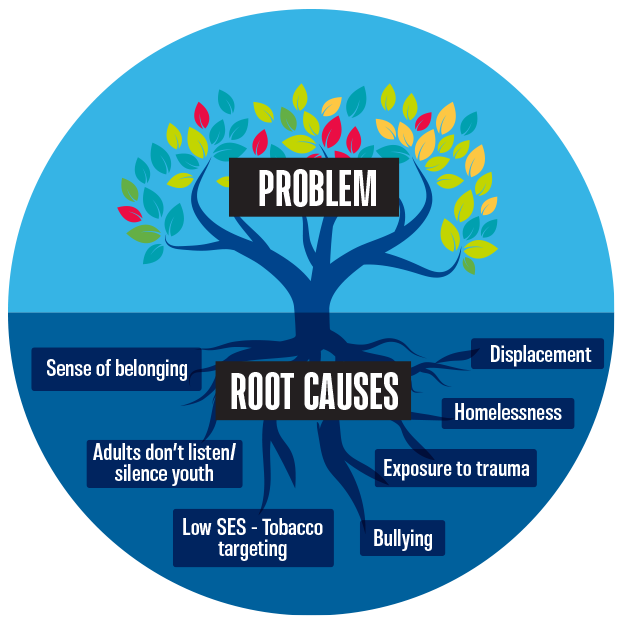
    Identifying the Root Cause: Addressing Issues for a Lasting Reunion

    Identifying the Root Cause: Addressing Issues for a Lasting Reunion

    Identifying the Root Cause: Addressing Issues for a Lasting Reunion

    The joy of a family reunion, a gathering of loved ones after a period of separation, is often bittersweet. While the shared memories and renewed connections are deeply fulfilling, underlying tensions and unresolved conflicts can quickly mar the celebratory atmosphere. A successful and lasting reunion requires more than simply bringing people together; it demands a proactive and insightful approach to identifying and addressing the root causes of past and present discord. This article explores the crucial steps involved in fostering a truly harmonious and enduring reunion.

    Understanding the Dynamics of Family Reunions

    Family reunions are complex social events, characterized by a unique interplay of individual personalities, past experiences, and evolving relationships. The very nature of family â€" with its inherent history of both love and conflict â€" creates a fertile ground for emotional complexities. These complexities can manifest in various ways, impacting the overall success of the reunion.

    The Weight of History

    Past hurts, betrayals, and unresolved conflicts often cast long shadows over family gatherings. Old resentments, stemming from childhood experiences, inheritance disputes, or significant life events, can resurface unexpectedly, disrupting the present moment. These lingering issues, if left unaddressed, can poison the atmosphere, leading to strained relationships and ultimately, a failed reunion.

    Differing Expectations and Perspectives

    Family members often enter reunions with different expectations. Some may anticipate a joyous celebration of shared history, while others may harbor anxieties about confronting past difficulties or navigating present-day tensions. These differing perspectives can lead to misunderstandings and disappointment if not carefully managed. For instance, one family member might desire a casual, relaxed gathering, while another may envision a highly structured event with specific activities and agendas. These divergent expectations need to be acknowledged and negotiated beforehand to avoid conflict.

    The Role of Communication (or Lack Thereof)

    Effective communication is paramount to a successful reunion. However, families often struggle with open and honest dialogue. Years of unspoken grievances, ingrained communication patterns, and differing communication styles can create barriers to understanding and resolution. Poor communication can lead to misunderstandings, escalating conflicts, and ultimately, a breakdown in relationships.

    Identifying Root Causes of Conflict

    Before addressing issues, it is crucial to identify their root causes. This involves a careful examination of the family's history and the dynamics at play. Several techniques can prove helpful in this process.

    Pre-Reunion Surveys and Questionnaires

    Distributing pre-reunion surveys or questionnaires can provide invaluable insights into individual expectations, concerns, and potential sources of conflict. These tools allow family members to anonymously express their feelings and concerns, fostering a more open and honest environment for addressing issues.

    Facilitated Discussions and Mediation

    Facilitated discussions, possibly led by a neutral third party, can provide a structured environment for open communication and conflict resolution. A skilled mediator can help guide conversations, encourage active listening, and facilitate constructive dialogue between family members.

    Individual Reflection and Journaling

    Encouraging individual reflection and journaling can be a powerful tool for identifying personal triggers and unresolved issues. This process allows individuals to process their emotions and formulate their thoughts before engaging in discussions with other family members. This self-awareness is crucial for effective communication and conflict resolution.

    Strategies for Addressing and Resolving Issues

    Once the root causes of conflict have been identified, it's crucial to develop strategies for addressing and resolving these issues. This process requires patience, empathy, and a willingness to compromise.

    Active Listening and Empathy

    Active listening is critical for understanding differing perspectives. This involves paying close attention to what others are saying, both verbally and nonverbally, and reflecting back their feelings and concerns to ensure understanding. Empathy, the ability to understand and share the feelings of another, is equally important in bridging divides and fostering understanding.

    Setting Clear Expectations and Boundaries

    Setting clear expectations and boundaries can prevent misunderstandings and conflicts. This involves openly communicating expectations for behavior, activities, and the overall tone of the reunion. Establishing boundaries helps protect individual needs and prevents the escalation of conflicts.

    Focusing on Shared Goals and Values

    Focusing on shared goals and values can help unite family members and foster a sense of community. By highlighting common ground and shared experiences, it is possible to shift the focus away from past conflicts and towards a shared vision for the future.

    Seeking Professional Help When Necessary

    In some cases, professional help may be necessary to navigate complex family issues. A therapist or counselor can provide guidance, support, and tools for effective communication and conflict resolution. This is particularly important when dealing with deeply entrenched conflicts or trauma.

    Creating a Lasting Legacy: Post-Reunion Reflection and Planning

    The success of a family reunion extends beyond the event itself. Post-reunion reflection and planning are crucial for ensuring that the positive momentum continues. This involves reviewing the experiences, evaluating what worked well, and identifying areas for improvement in future gatherings.

    Key steps for creating a lasting legacy include:

    • Conducting a post-reunion survey: Gathering feedback from attendees to assess overall satisfaction and identify areas for improvement.
    • Documenting the reunion: Creating a photo album, video montage, or written record to preserve memories and share with future generations.
    • Establishing a communication plan: Developing strategies for maintaining contact and fostering ongoing relationships between family members.
    • Planning future reunions: Scheduling future gatherings to continue building relationships and strengthening family bonds.

    In conclusion, a successful and lasting family reunion requires a thoughtful and proactive approach. By identifying the root causes of conflict, employing effective communication strategies, and establishing a strong foundation for ongoing relationships, families can transform their gatherings into meaningful celebrations that strengthen bonds and create lasting memories for generations to come. The effort invested in fostering harmony and understanding will ultimately yield immeasurable rewards in the form of strengthened family relationships and a richer shared legacy.

    Share:

    How to Get Back with Your Ex After They Said It Was Over

    How to Get Back with Your Ex After They Said It Was Over

    How to Win Your Ex Back (If It's Even Possible)

    Okay, so your heart's shattered. Your ex said it's over, and you're staring into the abyss of a relationship-less future, wondering if there's any hope. Let's be real, getting back with an ex isn't a sure thing. It's like trying to put Humpty Dumpty back together again â€" it's possible, but incredibly difficult, and the end result might not be exactly the same. But if you're determined, and if the relationship is worth fighting for (a HUGE caveat we'll talk about more later), here's a roadmap (no guarantees, though!).

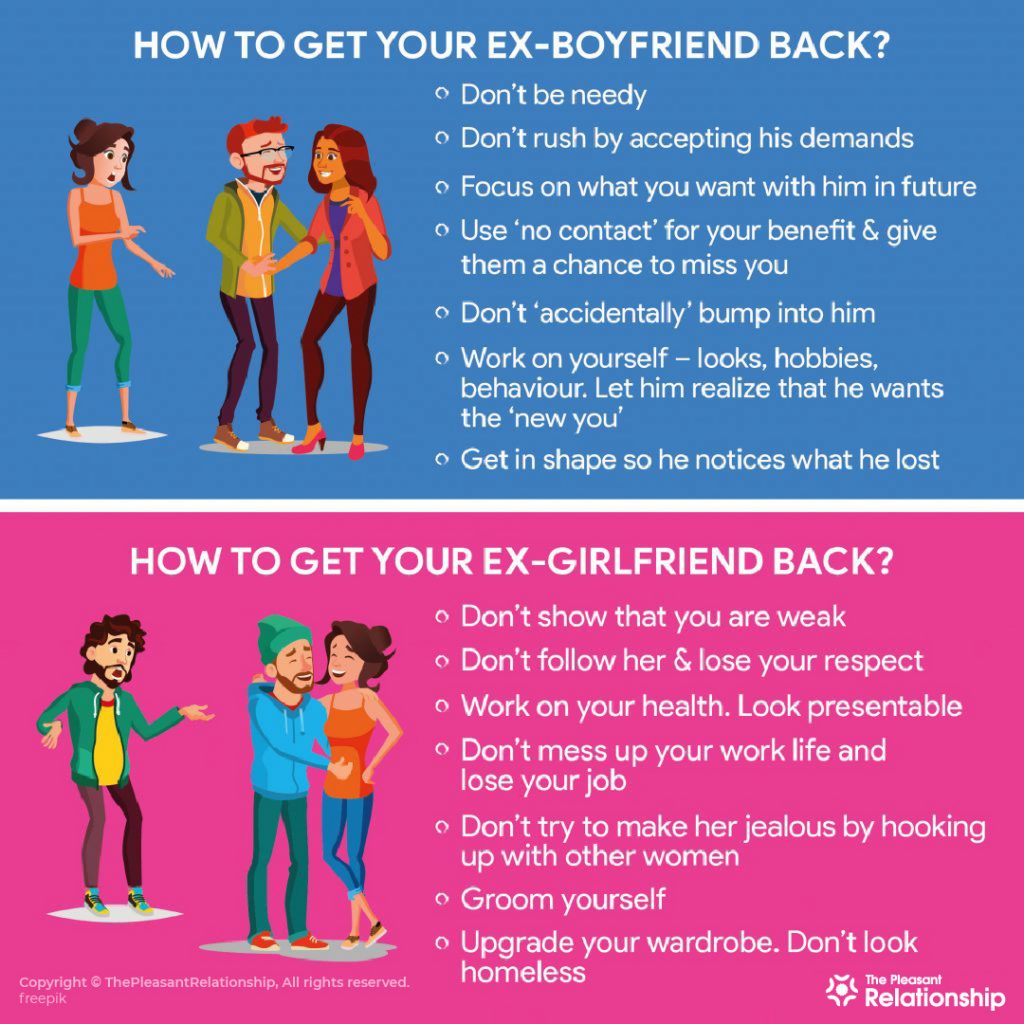
    Step 1: The Crucial "No Contact" Period

    This isn't about playing games; it's about giving both of you space to breathe. No contact means exactly that: no texts, no calls, no emails, no social media stalking (yes, I see you!), no drive-bys past their house. Completely cut the cord. This is the hardest part, I know, but it's also the most important.

    Why No Contact Works (or at least *can* work)

    Think of it this way: you're a really delicious cake. Initially, your ex devoured you, but now they're feeling a little bit cake-ed out. Constant contact is like shoving more cake in their face. They'll just get sick of you. No contact, however, allows the deliciousness of "you" to become a distant, slightly hazy, memory... a memory they might start to crave again. It allows them to miss you, to reflect on the relationship without the immediate pressure of your presence. It also gives *you* time to heal and reflect on your own role in the breakup.

    How Long Should No Contact Last?

    There's no magic number. Some people suggest 30 days, others say longer. It really depends on the length and intensity of your relationship and the circumstances of the breakup. The goal isn't to reach a specific date; it's to reach a point where you feel genuinely ready to reconnect, not out of desperation, but because you've worked on yourself and feel confident.

    Step 2: Self-Reflection and Improvement

    This isn't about changing who you are to please someone else. It's about honestly evaluating your role in the relationship's demise and making positive changes in your life.

    Identifying Your Flaws (the hard part)

    Were you too clingy? Did you have communication issues? Did you neglect their needs? Be brutally honest with yourself. Write it all down if it helps. Facing these things head-on is the only way to prevent repeating past mistakes.

    Focusing on Self-Improvement

    Now that you've identified areas for improvement, actively work on them. Join a gym, take up a new hobby, volunteer â€" anything that boosts your self-esteem and makes you a happier, more well-rounded person. This isn't just about making yourself attractive to your ex; it's about becoming the best version of yourself, regardless of your relationship status.

    Step 3: The Re-Entry (with caution!)

    After the no-contact period, reaching out is a delicate dance. Don't expect fireworks. Don't bombard them with messages. A simple, casual, and non-demanding message is best.

    Example of a good message:

    "Hey [Ex's Name], I hope you're doing well. I was just thinking about [a shared memory, something positive and neutral, NOT a sob story]. It made me smile. Hope to hear from you sometime."

    What NOT to do:

    *
  • Send long, emotional messages.
  • *
  • Accuse them or blame them.
  • *
  • Beg them to take you back.
  • *
  • Threaten them.
  • *
  • Mention other people you're dating.
  • Step 4: The (Potential) Reunion

    If they respond positively, great! Take things slow. Start with casual conversations. Maybe suggest meeting up for coffee or a casual activity you both enjoyed. Don't jump back into a full-blown relationship immediately. Give yourselves time to rebuild trust and connection.

    Important Considerations

    * Was the breakup mutual? If one person clearly wanted out, and the reasons for the breakup haven't been addressed, reconciliation is highly unlikely. * Have both of you changed? If you haven't addressed the issues that led to the breakup, chances are history will repeat itself. * Is your ex open to reconciliation? If they’re consistently unresponsive or clearly not interested, it’s time to accept that it's over. * What's your motivation? Are you trying to win them back out of genuine love and a desire to work on the relationship, or because of fear of being alone?

    When to Accept It's Over

    Sometimes, despite your best efforts, it just isn't meant to be. If your ex is consistently unresponsive, disrespectful, or if your attempts at reconciliation are met with resistance or negativity, it's time to accept that the relationship is truly over. This is hard, but it's crucial to your own well-being. Don't waste your time, energy, or emotional resources on someone who doesn't want you. Focus on healing and moving forward.

    Frequently Asked Questions (FAQs)

    Q: My ex is dating someone new. Should I give up?

    This is a tough one. Seeing your ex with someone else can be incredibly painful, but it doesn't automatically mean you should give up hope (if any hope remains). It depends on how serious the new relationship is and the timing of the new relationship relative to your breakup.

    Q: My ex blocked me on social media. What should I do?

    Respect their boundaries. Blocking someone is a clear signal they need space, and continuing to try and contact them will likely make things worse. Focus on the no-contact period and your self-improvement.

    Q: How do I know if I'm ready to reach out?

    You should feel emotionally stable, confident, and ready to approach the conversation calmly and respectfully. You should have taken steps to address any issues that contributed to the breakup. Your motivation should be genuine connection and willingness to work through things rather than desperation or a need for validation.

    Q: What if my ex says they don't want to get back together?

    Accept their decision with grace (as hard as it is). Thank them for their honesty, and respect their wishes. This doesn't mean you're a failure; it simply means this particular relationship has run its course. Focus on building a happy and fulfilling life for yourself.

    Q: Is there a guarantee this will work?

    Absolutely not! There's no magic formula to guarantee getting back with an ex. This is a process, and there's a significant chance it might not work out. But if you're willing to put in the work on yourself and approach the situation with respect and honesty, you'll have a better chance of success, and you will certainly learn valuable lessons about yourself and relationships.

    Share:

    How to Get Your Ex Back When They’re Seeing Someone Else

    How to Get Your Ex Back When They’re Seeing Someone Else

    How to Get Your Ex Back When They're Seeing Someone Else: A Realistic Approach

    Okay, so your ex is seeing someone else. Ouch. That stings, I know. But before you spiral into a pit of despair and Ben & Jerry's, let's talk strategy. Getting your ex back when they're already with someone else is a tough challenge, let's be honest. It's not a guaranteed win, and it requires a ton of self-reflection and a realistic approach. This isn't about manipulation; it's about understanding yourself, your ex, and the situation â€" and then deciding if pursuing this is truly the best thing for *you*.

    Understanding the Situation: Why Are They With Someone Else?

    Before you even think about reaching out, you need to understand *why* your ex is with someone new. Was the breakup messy and fueled by anger? Was it a gradual drift apart? Did you have unresolved issues? Knowing the root cause will help you tailor your approach (if you decide to proceed). Sometimes, the new relationship is a rebound, a way to cope with the breakup. Other times, it’s a genuine connection.

    Analyzing the Breakup

    Take a long, hard look at what went wrong. Don't just blame them; take ownership of your role. Were you inconsiderate? Did you neglect their needs? Did you fail to communicate effectively? Honest self-assessment is crucial. This isn't about beating yourself up; it's about identifying areas for growth and demonstrating that growth to your ex (if that’s the path you choose).

    Assessing the New Relationship

    This is tricky, and you shouldn't become a detective, but try to observe from afar. Is this a serious relationship or more of a casual fling? How long have they been together? Understanding the nature of the new relationship helps you gauge the situation's complexity. A new, serious relationship makes things much tougher.

    The No-Contact Rule: A Necessary Evil (Probably)

    This is arguably the most important step. Going completely no contact means absolutely no calls, texts, emails, social media interactions, or drive-bys past their house. It’s brutal, but necessary. Why? Because:

    • It gives your ex space to miss you.
    • It allows you to focus on yourself and heal.
    • It prevents you from sabotaging any potential reconciliation by saying or doing something you regret.
    • It shows them you respect their space and their new relationship (even if it kills you inside).

    How long should you go no contact? That depends. A minimum of 30 days is generally recommended, but it might need to be longer, especially if the relationship was long-term and ended badly. Trust me, the temptation to reach out will be enormous, but resist it! This is about your emotional well-being, too.

    Working on Yourself: The Foundation for Reconciliation

    While you're practicing the art of no contact, use this time to focus on yourself. This isn't about becoming a better version of yourself *for* your ex; it's about becoming a better version of yourself *for yourself*.

    Personal Growth

    What are your hobbies? What are your passions? What are your goals? Dive into them headfirst. Reconnect with friends and family. Learn a new skill. Join a gym. Do anything that makes you feel good about yourself and boosts your confidence. This is about rebuilding your self-esteem, which is crucial whether or not you get back together.

    Addressing Your Flaws

    Remember that self-assessment we talked about? Now's the time to act on it. If you identified communication issues, work on them. If you were inconsiderate, practice empathy and active listening. If you were insecure, work on building your self-esteem. These are long-term changes; they won't happen overnight.

    Reappearing on the Scene: Strategic and Subtle

    After the no-contact period, you'll need to reappear in your ex's life. But don't make it a grand, dramatic entrance. This isn't a movie; it's real life. The key is to be subtle and strategic.

    The Casual Encounter

    Maybe you run into them at a mutual friend's gathering. Be friendly, but not overly eager. Keep the interaction brief and positive. Show them the changes you've made, but don't dwell on the past.

    Social Media Subtlety

    Update your social media presence to reflect your personal growth. Post pictures of you enjoying your hobbies, looking happy and healthy. But avoid anything that seems like a deliberate attempt to make your ex jealous. Authenticity is key.

    The Conversation (If It Happens): Honesty and Respect

    If you manage to reconnect and have a conversation, be honest but respectful. Acknowledge their new relationship without negativity. Express your feelings without being overly emotional or demanding. Focus on what you've learned and how you've grown.

    Important Note: Don't expect miracles. They might still be deeply involved with someone else. They might not be interested in rekindling things, and that's okay. Respect their decision, even if it hurts.

    Acceptance: The Most Important Step

    Ultimately, you need to accept the possibility that you might not get your ex back. This isn't a failure on your part; it's just the reality of the situation. Focusing on your own happiness and well-being is more important than chasing an outcome that might not be attainable. Remember, you deserve someone who chooses you, unequivocally.

    Frequently Asked Questions

    Q: How long should I wait before contacting my ex after the no-contact period?

    A: There's no magic number. It depends on the situation and how long you were together. Start with a casual, friendly interaction. If they seem receptive, you can gradually increase contact. If not, respect their boundaries.

    Q: What if my ex is openly unhappy in their new relationship? Should I try to capitalize on that?

    A: No. Don't try to exploit someone's unhappiness. Focus on your own well-being and let them work through their own issues. If they're meant to be with you, they'll find their way back.

    Q: What if my ex says they want to remain friends?

    A: This is a tough one. Being "friends" can prolong the healing process and keep you in a state of limbo. Assess whether you can genuinely be friends without harboring romantic feelings. If not, it might be best to take a step back and focus on moving on.

    Q: What if I see my ex with their new partner and it hurts?

    A: It's normal to feel hurt. Allow yourself to feel those emotions without judgment. Lean on your support system, practice self-care, and remember that you deserve happiness. This too shall pass.

    Q: Is it ever okay to talk to their new partner?

    A: Absolutely not. This is highly inappropriate and could seriously damage your chances of reconciliation (even if you did want it).

    Remember, this is a journey, not a race. Be patient with yourself, and prioritize your own well-being above all else. Good luck!

    Share:

    The Power of Forgiveness: Moving Forward Together

    The Power of Forgiveness: Moving Forward Together

    The Power of Forgiveness: Moving Forward Together

    Forgiveness, a concept often romanticized and simplified, represents a profound psychological and social process with far-reaching implications for individual well-being and societal harmony. It is not merely condoning wrongdoing or forgetting the transgression; rather, it is a conscious, deliberate act of releasing resentment and choosing to move forward, unburdened by the weight of past hurts. This essay will explore the multifaceted nature of forgiveness, examining its psychological benefits, the challenges inherent in its practice, and its vital role in fostering healthy relationships and a more compassionate society.

    The Psychological Benefits of Forgiveness

    The act of forgiving oneself and others yields a wealth of psychological benefits, significantly impacting mental and physical health. Numerous studies have demonstrated a strong correlation between forgiveness and improved well-being. Individuals who practice forgiveness tend to experience:

    Reduced Stress and Anxiety

    Holding onto resentment and anger consumes significant emotional energy, leading to chronic stress and anxiety. These negative emotions can manifest physically, contributing to elevated blood pressure, weakened immune function, and increased susceptibility to illness. Forgiveness, by contrast, helps to alleviate these burdens, allowing individuals to experience a sense of calm and release.

    Improved Mental Health

    Forgiveness has been linked to a reduction in symptoms of depression, anxiety, and post-traumatic stress disorder (PTSD). By letting go of negative feelings, individuals can create space for positive emotions, fostering self-compassion and emotional resilience. This process empowers individuals to regain a sense of control over their emotional landscape, reducing the debilitating effects of past trauma.

    Enhanced Self-Esteem and Self-Compassion

    Forgiving oneself is crucial for self-acceptance and personal growth. Many individuals struggle with self-blame and guilt, perpetuating a cycle of negativity that undermines self-esteem. Forgiveness allows for self-compassion, recognizing that everyone makes mistakes and that past actions do not define one's inherent worth. This shift in perspective fosters a healthier sense of self and promotes personal growth.

    Improved Physical Health

    The physiological effects of forgiveness are equally significant. Studies have shown that individuals who practice forgiveness exhibit lower levels of cortisol (the stress hormone), improved cardiovascular health, and a stronger immune system. This suggests a direct link between emotional well-being and physical health, highlighting the restorative power of forgiveness.

    The Challenges of Forgiveness

    While the benefits of forgiveness are undeniable, the process is often complex and challenging. Forgiveness does not imply condoning the harmful actions of others; rather, it focuses on releasing the negative emotions associated with the transgression. Several obstacles can impede the journey towards forgiveness:

    The Nature of the Offense

    The severity and nature of the offense play a significant role in the difficulty of forgiveness. Forgiving minor infractions is generally easier than forgiving acts of betrayal, abuse, or violence. The intensity of the emotional wounds inflicted directly impacts the time and effort required for healing and forgiveness.

    Emotional Resistance

    Letting go of anger, resentment, and hurt can be emotionally demanding. Individuals may resist forgiveness due to a fear of vulnerability or a belief that forgiving equates to weakness. This resistance often stems from a deeply ingrained need for justice and retribution.

    Lack of Empathy

    Forgiveness requires a degree of empathy and understanding, even for those who have caused us harm. This can be particularly challenging when individuals struggle to comprehend the motivations or perspectives of the offender. A lack of empathy can hinder the ability to release negative emotions and move forward.

    The Role of Trust

    Forgiveness is often intertwined with the restoration of trust. In cases of betrayal, rebuilding trust can be a lengthy and arduous process. If trust cannot be re-established, forgiveness may remain incomplete, hindering the full experience of its benefits.

    Forgiveness in Relationships and Society

    Forgiveness plays a crucial role in fostering healthy relationships and a more compassionate society. It is a cornerstone of reconciliation and restorative justice, offering a pathway to healing and rebuilding broken connections.

    Interpersonal Relationships

    In intimate relationships, forgiveness is essential for overcoming conflict and maintaining connection. The ability to forgive transgressions allows partners to navigate disagreements, rebuild trust, and foster a stronger bond. Without forgiveness, resentment can fester, leading to distance, conflict, and ultimately, relationship breakdown.

    Community and Society

    Forgiveness also holds immense significance at the societal level. In post-conflict societies or communities grappling with historical injustices, forgiveness can facilitate reconciliation and promote healing. It creates space for dialogue, understanding, and collaborative efforts toward building a more just and equitable future.

    Restorative Justice

    Restorative justice practices emphasize reconciliation and healing rather than solely focusing on punishment. These approaches utilize forgiveness as a means of repairing harm, fostering dialogue between victims and offenders, and facilitating community restoration. Restorative justice recognizes that true justice requires addressing the needs of both victims and offenders, promoting a sense of accountability and restorative healing.

    Practical Steps Towards Forgiveness

    The process of forgiveness is not instantaneous; it is a journey that requires time, self-reflection, and commitment. The following steps can help facilitate the process:

    • Acknowledge your feelings: Allow yourself to feel the pain, anger, and resentment associated with the offense. Suppressing these emotions will only prolong the healing process.
    • Empathize with the offender: Try to understand the perspective of the person who harmed you, even if you do not condone their actions. Understanding their motivations can help you move towards compassion.
    • Practice self-compassion: Recognize that you are not responsible for the actions of others, and that you deserve kindness and understanding.
    • Set boundaries: Forgiving does not mean you have to resume a relationship with the offender. Setting healthy boundaries is crucial for protecting yourself from further harm.
    • Seek support: Talking to a therapist, counselor, or trusted friend can provide valuable support and guidance throughout the process.
    • Focus on the present and future: Instead of dwelling on the past, focus on creating a positive future for yourself. Let go of the need for revenge and embrace self-care and growth.

    In conclusion, forgiveness is a powerful and transformative process that offers profound benefits for individuals and society. While challenging, the journey towards forgiveness is ultimately a journey towards healing, growth, and a more compassionate world. By embracing forgiveness, we can release the burdens of the past and create a future filled with greater peace, understanding, and connection.

    Share:

    Breakup Advice: How to Handle the First Few Days After the Split

    Breakup Advice: How to Handle the First Few Days After the Split

    Navigating the Aftermath: Your Guide to the First Few Days After a Breakup

    Okay, so it happened. The dreaded breakup. Your world feels like it's tilted on its axis, and you're probably drowning in a tidal wave of emotions. Believe me, I've been there. Breakups are brutal, no matter how "amicable" they are. But the first few days are particularly intense. This isn't about magically fixing things (because you can't magically fix a broken relationship!), it's about getting you through the initial shock and starting the healing process. Let's tackle this together.

    Allow Yourself to Feel

    This is probably the hardest, but most important, step. Don't try to suppress your emotions. You're going to feel a rollercoaster of things: sadness, anger, confusion, maybe even relief (it's okay to feel relief too!). Let yourself cry, scream into a pillow, listen to sad music â€" whatever you need to do to process these feelings. Bottling them up will only make things worse in the long run. Think of it like this: you're experiencing a major life event, and your body and mind need time to adjust.

    Embrace the Ugly Cry

    Seriously. Let those tears flow. Don't worry about looking weak or pathetic. Crying is a natural response to grief and loss, and it's a healthy way to release pent-up emotions. Grab a tub of ice cream (or a whole pizza, no judgment here!), curl up on the couch, and let it all out. You deserve it.

    Anger is Okay Too

    Anger is a perfectly valid emotion after a breakup. You might be angry at your ex, angry at yourself, or just angry at the whole situation. Don't try to bottle it up. Find a healthy way to express it â€" punching a pillow, going for a run, talking to a friend. Just avoid lashing out at others in destructive ways.

    Cut Off Contact (For Now)

    This is crucial, especially in the first few days. Unfollowing your ex on social media, deleting their number, or at least silencing their notifications, can make a huge difference. Seeing their posts, hearing their voice, or even just knowing they're out there can keep you stuck in the past and prevent you from moving forward. It's about creating space for yourself to heal.

    Resist the Urge to Reach Out

    I know, I know. You might feel the overwhelming urge to text, call, or even drive to their place. Resist it! This is especially true if you're tempted to check up on them, beg them to come back, or start an argument. Give yourself some distance. Reaching out will only prolong the pain and prevent you from healing.

    Delete and Unfollow, No Exceptions

    It's tempting to keep a "just in case" copy of their number or to keep following them to see what they’re up to. But trust me, this is counterproductive. Delete everything â€" pictures, videos, voice memos â€" anything that might trigger painful memories. Unfollowing them on social media is a self-care act, not a petty gesture.

    Lean on Your Support System

    Now is the time to let your loved ones support you. Talk to your friends, family, or therapist about what you're going through. Don't be afraid to ask for help. Your friends can offer a shoulder to cry on, distractions, and a reminder that you're not alone. Talking it out can help you process your emotions and gain a new perspective.

    Don’t Be Afraid to Ask for Help

    Reaching out for help doesn't mean you're weak. It means you're strong enough to acknowledge you need support and actively seek it out. Whether it's a friend, family member, or a therapist, allow yourself to receive the help you deserve.

    Choose Your Support System Carefully

    Surround yourself with positive and supportive people. Avoid those who might try to minimize your pain, tell you to "just get over it," or otherwise invalidate your feelings. You need people who will listen, empathize, and offer genuine support.

    Focus on Self-Care

    This might seem like the last thing you want to do, but self-care is essential for healing. It's not about indulging in unhealthy habits; it's about doing things that nurture your physical and emotional well-being. This could include taking long baths, exercising, eating healthy foods, getting enough sleep, or engaging in hobbies you enjoy.

    Prioritize Sleep

    Sleep deprivation will only worsen your emotional state. Try to maintain a regular sleep schedule, even if it’s hard. Create a relaxing bedtime routine to help you unwind and prepare for sleep.

    Move Your Body

    Exercise releases endorphins, which have mood-boosting effects. Even a short walk can make a difference. Find an activity you enjoy and stick with it.

    Nourish Yourself

    Don't neglect your physical health. Eat nutritious meals, even if you don't feel like it. Proper nutrition will give you the energy you need to cope with this difficult time.

    Avoid Major Life Decisions

    Resist the urge to make any significant life changes in the immediate aftermath of the breakup. This includes things like quitting your job, moving, or starting a new relationship. Give yourself time to process your emotions and gain clarity before making any big decisions.

    Remember, healing takes time. There's no set timeline. Be patient with yourself, and allow yourself to grieve the loss of the relationship. You will get through this. It’s a process, not a sprint.

    Commonly Asked Questions

    Q: How long will this hurt?

    A: There's no magic number. It depends on the length and intensity of the relationship, your personality, and your coping mechanisms. But know that the intensity will lessen over time. Focus on taking it one day at a time.

    Q: Should I try to get back together?

    A: In the first few days, absolutely not. Give yourself space and time to process before considering reconciliation. Often, the initial desire to get back together is driven by grief and loneliness, not a sound assessment of the relationship.

    Q: What if I see my ex?

    A: Try to avoid them if possible. If you do see them, be polite but brief. Don't engage in lengthy conversations or arguments. Remember, you're protecting your healing process.

    Q: Is it okay to feel relieved?

    A: Absolutely! It's perfectly normal to experience relief alongside sadness or anger, especially if the relationship was toxic or unhealthy. Don't dismiss or minimize those feelings.

    Q: When should I seek professional help?

    A: If you're struggling to cope, if your sadness is overwhelming, or if you're experiencing thoughts of self-harm, please reach out to a therapist or counselor. There's no shame in seeking professional help.

    Share:

    Should I Get Back with My Ex? Factors to Consider for a Lasting Relationship

    Should I Get Back with My Ex? Factors to Consider for a Lasting Relationship

    Should I Get Back with My Ex? Factors to Consider for a Lasting Relationship

    The decision to reconcile with a former partner is rarely straightforward. It involves a complex interplay of emotions, memories, and a careful assessment of whether a renewed relationship holds the potential for long-term success. While the allure of familiarity and a shared history can be powerful, a thoughtful evaluation of several key factors is crucial before embarking on this path. Ignoring these considerations can lead to repeated heartache and further complicate future relationships.

    Understanding the Reasons for the Breakup

    The foundation of any successful reconciliation lies in a thorough understanding of why the relationship ended in the first place. Ignoring the root causes is akin to building a house on unstable ground; the structure is destined to crumble.

    Identifying the Core Issues

    Were the issues superficial, stemming from external pressures or temporary disagreements, or were they deeply rooted incompatibilities or unresolved conflicts? Common reasons for breakups include:

    • Communication breakdowns: Inability to effectively communicate needs, desires, and concerns.
    • Lack of trust: Infidelity, dishonesty, or repeated breaches of confidence.
    • Differing life goals and values: Incompatible long-term aspirations, religious beliefs, or personal values.
    • Lack of commitment: Unequal levels of investment in the relationship or reluctance to fully commit.
    • Unresolved conflict: Lingering resentments, unresolved arguments, or recurring patterns of conflict.
    • External pressures: Stress from work, family, or other external factors.

    Honest introspection and open communication with your ex are essential to accurately identify the core issues. Avoid romanticizing the past; focus on the reality of the challenges you faced.

    Assessing the Extent of Change

    Has sufficient time passed for genuine personal growth and change to occur? A brief period of separation often isn't enough to address deep-seated issues. Have you both actively worked on addressing the problems that led to the breakup? Have you sought therapy, improved communication skills, or developed strategies for managing conflict? Evidence of significant and sustained change is paramount.

    Evaluating Individual Growth and Self-Awareness

    Reconciliation shouldn't be driven by a desire to fill a void or avoid loneliness. It should be rooted in a genuine commitment to personal growth and a healthy sense of self. Have you taken time for self-reflection since the breakup? Have you identified your own contributions to the relationship's demise and taken steps to address them? Are you in a better place emotionally and psychologically than you were during the previous relationship?

    Prioritizing Personal Well-being

    A successful relationship requires two emotionally healthy individuals. Getting back together should not be a substitute for self-care. Ensure you are prioritizing your mental, physical, and emotional well-being before considering reconciliation. This includes maintaining a healthy lifestyle, cultivating strong support systems, and seeking professional help if needed.

    Understanding Your Needs and Boundaries

    Entering a reconciliation with clearly defined needs and boundaries is crucial. What are your non-negotiable requirements for a healthy relationship? What are you willing to compromise on, and what are your absolute limits? Communicating these clearly and respectfully to your ex will set the stage for a more productive and successful relationship.

    Assessing the Potential for a Healthy Future

    Beyond addressing past issues, it's vital to assess the potential for a healthy and sustainable future together. Can you envision a future where your needs and desires are met, and your values align?

    Realistic Expectations and Shared Goals

    Avoid unrealistic expectations. Reconciliation doesn't erase the past; it offers an opportunity to build a better future. Establish realistic expectations and discuss your shared goals and aspirations. Do your long-term plans and visions align? Are you both committed to actively working on the relationship?

    Open Communication and Mutual Respect

    Open and honest communication is the cornerstone of any successful relationship. Can you have difficult conversations without resorting to blame or defensiveness? Do you both respect each other's opinions, even when they differ? A willingness to listen, understand, and compromise is essential.

    Seeking External Support and Guidance

    Consider seeking external support and guidance during this process. A therapist or counselor can provide a neutral and objective perspective, helping you navigate the complexities of reconciliation and develop effective communication strategies.

    Couples Therapy

    Couples therapy can be invaluable in addressing unresolved issues, improving communication patterns, and developing healthier relationship dynamics. A therapist can help you both understand each other's perspectives, identify recurring conflict patterns, and develop strategies for constructive conflict resolution.

    The Importance of Time and Patience

    Reconciliation is not a race. Take the time you need to carefully consider all aspects before making a decision. Rushing into a reconciliation without addressing the underlying issues is likely to lead to disappointment and further heartbreak. Allow ample time for reflection, healing, and personal growth before re-entering a relationship.

    Ultimately, the decision of whether or not to get back with an ex is deeply personal. By carefully considering the factors outlined above, you can make an informed choice that prioritizes your well-being and increases the chances of a healthy and lasting relationship.

    Share:

    How to Let Go of Someone Who Brings You Down

    How to Let Go of Someone Who Brings You Down

    Letting Go: How to Ditch the Drama and Embrace Your Happiness

    Okay, let's talk about something that's tough but incredibly important: letting go of someone who consistently brings you down. It might be a romantic partner, a friend, a family member â€" whoever it is, the impact on your well-being is undeniable. You deserve to be surrounded by people who lift you up, not drag you through the mud. This isn't about being heartless; it's about self-preservation and prioritizing your own happiness. This guide will walk you through the process, offering practical advice and emotional support along the way.

    Acknowledge the Situation and Your Feelings

    The first step, and arguably the hardest, is acknowledging that this person is negatively impacting your life. Don't sugarcoat it. Be honest with yourself about how they make you feel: drained, anxious, stressed, insecure, unimportant… whatever it is, name it. Suppressing your feelings won't make them disappear; it'll just fester and build resentment.

    Think about specific examples. When did you start feeling this way? What specific actions or words triggered those negative feelings? Keeping a journal can be really helpful here. Writing things down can help you process your emotions and gain clarity on the situation.

    Understanding the "Why"

    It's also important to try to understand *why* you're struggling to let go. Are you afraid of being alone? Do you fear conflict? Do you worry about hurting their feelings? Identifying the underlying reasons will help you address them and move forward more effectively. Often, these fears are bigger than the actual problem. Facing them head-on, even just in your own mind, is a massive step.

    Setting Boundaries and Reducing Contact

    Once you've acknowledged the problem, it's time to take action. This doesn't necessarily mean cutting them off completely right away (though that might be the best option in some cases), but it does mean establishing healthy boundaries.

    Gradual Reduction of Contact

    Start by gradually reducing your contact. If you text daily, try reducing it to every other day, then every few days, and so on. If you meet up frequently, space out your meetings. This gives you time to adjust and them time to potentially adjust as well (although their reaction isn't your responsibility).

    Saying "No"

    Learn to say "no" to requests that drain you or make you uncomfortable. This is crucial for setting healthy boundaries. It might feel awkward at first, but practice makes perfect. A simple "I'm not available right now" or "That doesn't work for me" is perfectly acceptable.

    Managing Their Reactions

    Be prepared for their reaction. They might be angry, upset, or try to guilt you. Remember, their reaction is their responsibility, not yours. Stick to your boundaries and don't engage in arguments or justifications. A simple, calm "I need to prioritize my well-being" is often enough.

    Focusing on Self-Care and Growth

    Letting go of a negative relationship is an emotional process, so self-care is essential. Focus on activities that nurture your mind, body, and soul.

    Prioritizing Your Well-being

    This looks different for everyone. It could involve exercise, meditation, spending time in nature, reading, pursuing a hobby, or simply relaxing with a good movie. Find what works for you and make it a priority.

    Building a Support System

    Lean on your support system. Talk to trusted friends, family members, or a therapist. Sharing your feelings and experiences can help you process them and feel less alone.

    Embracing Self-Compassion

    Be kind to yourself. Letting go is a process, not an event. There will be ups and downs. Allow yourself to feel your emotions without judgment. Celebrate your progress, no matter how small.

    Moving Forward: Finding Your Happiness

    Once you've successfully distanced yourself from the negativity, it's time to focus on building a happier and healthier life. This is your chance to rediscover yourself and build relationships that support your growth.

    Exploring New Interests

    Use this as an opportunity to explore new interests and passions. Take a class, join a club, volunteer â€" anything that excites you and brings you joy.

    Forgiving Yourself and Them

    Forgiveness is a powerful tool for healing. Forgive yourself for staying in a negative situation for too long, and forgive the other person for their actions (though this doesn't mean you have to reconcile). Holding onto resentment will only hinder your own progress.

    Seeking Professional Help

    If you're struggling to cope, don't hesitate to seek professional help. A therapist can provide guidance and support during this challenging time. They can help you process your emotions and develop healthy coping mechanisms.

    Commonly Asked Questions

    • Q: What if this person is family? A: Family dynamics are complex. Setting boundaries with family can be particularly challenging, but it's still crucial for your well-being. Start with small steps and be prepared for resistance. You might need to accept that you may not be able to have a close relationship with them, but that's okay. Your mental health is paramount.
    • Q: How long does it take to let go? A: There's no set timeline. It depends on the individual, the nature of the relationship, and the depth of the emotional connection. Be patient with yourself and celebrate your progress along the way.
    • Q: What if I feel guilty about letting go? A: Guilt is a common emotion, especially if you're worried about hurting the other person's feelings. Remember that you're responsible for your own well-being. Letting go doesn't make you a bad person; it makes you someone who prioritizes their own health and happiness.
    • Q: Should I tell them why I'm distancing myself? A: This is entirely up to you. In some cases, a clear explanation can be helpful, while in others, it might only lead to further conflict. Consider your relationship and the other person's personality before deciding.
    • Q: What if they try to manipulate me? A: If someone is manipulative, setting strong boundaries is vital. Don't feel obligated to respond to their attempts at manipulation. Remember, their behavior is a reflection of them, not you.

    Letting go is a courageous act of self-love. Remember to be patient with yourself, celebrate small victories, and know that you deserve to be happy and surrounded by positive influences.

    Share:

    Popular Posts

    Powered by Blogger.

    Blog Archive

    Followers

    Social Icons

    Blog Archive

    Recent Posts